



Why Window Security Matters More than Ever
Window security isn’t just a concern for unlucky homeowners—it’s an essential element in keeping every home safe. While door security takes much of the spotlight, studies show that vulnerable windows are just as likely to be exploited as weak doors. According to FBI burglary statistics, over one-third of all home break-ins occur through windows, making them one of the most common entry points for intruders. Knowing which points are the most at risk can make the difference between a peaceful evening and a devastating loss.
Many homeowners assume that traditional locks and modest glass panes are enough, but most older windows lack the advanced features designed to resist forceful entry. Modern solutions, such as reinforced glass or well-built security screens, offer a discreet but highly effective improvement to household defense. By prioritizing window security upgrades, homeowners can deter would-be burglars long before a break-in is even attempted. Responding to the rising trend of opportunistic thefts, these practical upgrades serve not only as a first line of defense but also as a visible deterrent, sending a clear message that your home isn’t an easy target.
Common Weaknesses in Household Windows
The vulnerability of residential windows is often underestimated, especially in homes where windows haven’t been properly assessed for security for decades. Most basic windows, such as single-pane or double-hung sash designs, were built for cost efficiency and ventilation but not to withstand intentional attempts at forced entry. As time passes, natural wear and tear further compromise their effectiveness. Thinning or aging glass, shifting frames, and worn-out locks become a gift to burglars. Casement and sliding windows are renowned for malfunctioning latches, sometimes allowing a determined intruder to slide them open from the outside with nothing but a credit card or blunt tool.
- Single-pane glass: Easily shattered and offers almost no resistance to breaking tools. Modern threats demand robust, layered, or laminated glass as a bare minimum.
- Old or corroded frames: Weather, insects, and time can weaken wood or aluminum, making the frame pliable enough to be forced out or pried open.
- Latch-style locks: Many older or poorly maintained locks can be forced, picked, or bypassed by burglars with basic tools.
Some clear signs that your windows could be at risk include visible rot around the frame, panes that feel loose or wobble in the wind, and locks that don’t engage snugly. Even a little draft coming from the window edges means that not only weatherproofing, but security, has been compromised. Failing to address these weaknesses significantly increases the likelihood of an opportunist gaining entry, so regular inspections should become part of your home routine.
How Burglars Target Windows
Understanding how an intruder thinks is key to closing security gaps. Most burglars want to get in and out quickly—ideally in less than ten minutes. They often scout neighborhoods, looking for easy covers like overgrown landscaping, poor outdoor lighting, or windows that are visibly unreinforced. The most common tactic is to check for unlocked or slightly open windows, especially on the ground floor or basement. If all windows are locked, the next step might be to pry a frame or quietly shatter a corner of the glass, then undo the lock from inside.
Several crime studies reveal that homes with poor lighting, obscured views, and outdated windows are statistically more vulnerable to unplanned break-ins. These incidents are often crimes of opportunity, relying on homeowners forgetting to lock up or investing in minimal reinforcements. In most cases, burglars spend less than a minute gaining entrance once they select a vulnerable window. Properly installed screens, new locks, and visible security measures have been shown to reduce these crimes significantly, shifting the balance in favor of prepared homeowners.
Testing the Strength of Your Current Windows
A hands-on approach to window security can be surprisingly effective. Begin by physically moving or shaking the pane to check for signs of weakness. A secure window should feel firm inside its frame, with locks and latches gliding smoothly and clicking into place. If a lock wiggles or is difficult to engage, corrosion or mechanical fatigue may be weakening its hold. Pay special attention to the window’s anchoring points—the places where it attaches to the house. Any shifting, rattling, or “give” when you push the corners could mean the anchors are no longer adequate.
For a thorough assessment, attempt to gently lift or slide the window without unlocking it. Any movement could signal an issue. Outdoor checks are equally important: screens and outer frames should be firmly attached without movement. If in doubt, many homeowners call for a professional assessment. Technicians can use specialized tools to test reinforcement points, evaluate glass type, and suggest custom solutions for the property—a worthwhile step if you want to ensure your upgrades are comprehensive.
The Latest in Window Security Technology
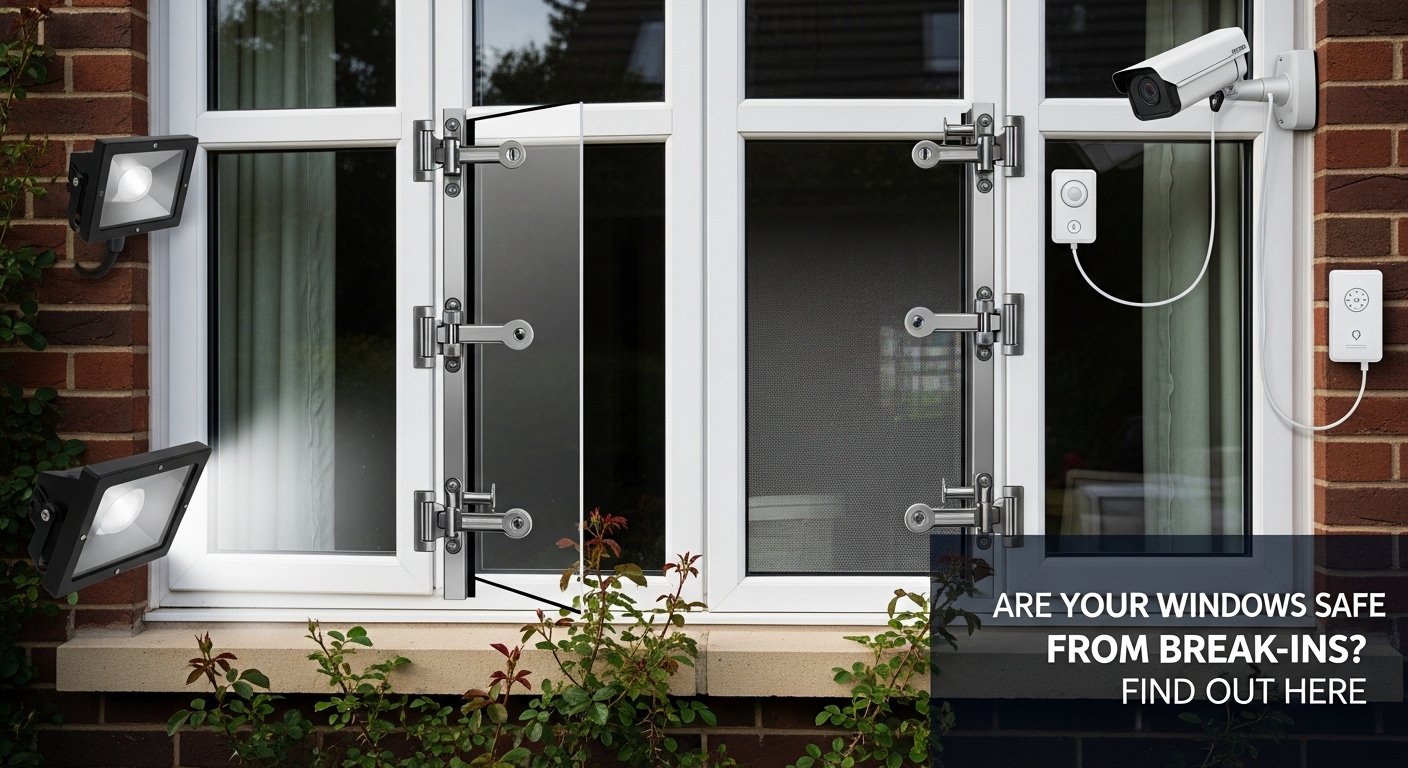
Advances in window design and materials have made it much easier to reinforce your home’s vulnerable spots without sacrificing visibility or light. Laminated safety glass, for example, features two or more panes bonded together with a resilient plastic layer, making it incredibly tough to shatter. Even if the outer pane is damaged, the window remains intact, frustrating attempts at entry and buying crucial time for the occupant.
Modern security screens are another standout solution, using tightly woven stainless steel mesh. These screens are engineered to withstand impacts, resist cuts, and make it nearly impossible to wrench or pry the frame loose from the outside. Such screens let in fresh air while providing formidable protection, far superior to standard insect screens. In addition, homeowners are now investing in smart window sensors that send immediate alerts to a smartphone or alarm system if glass is broken or a window is forced open. Used together, these features create a layered defense that deters even the most determined intruders.
- Laminated glass for improved impact and shatter resistance
- Stainless steel mesh security screens for preventing forced entry
- Smart alarms and sensors for instant breach alerts
Smart Habits to Protect Your Home
Upgraded windows are just one layer of home protection. Consistent personal habits play a vital role, too. Always secure all windows—even if you’re leaving for just a few minutes. During warmer months, many people leave windows cracked for air circulation, which can provide a burglar with easy access. Instead, use window locks that allow ventilation without compromising security, or restrict open positions.
Visibility is another powerful deterrent. Make sure windows aren’t blocked by shrubs, fences, or large outdoor furniture, as obscured access points are prime targets. Install outdoor lighting to illuminate entry points after dark. Consider using timers or motion sensors for lights, so windows remain a less tempting entryway.
- Inspect all window locks and glass at least every season.
- Install visible deterrents, like security stickers or small surveillance cameras.
- Never leave valuable items in clear sight through windows.
- Remind all household members to check windows before leaving or going to bed.
Renters, too, benefit from simple upgrades: portable window alarms, reinforced portable locks, or security film can all add layers of protection without modifying the structure.
READ MORE : Advances in Welding Technology: What to Expect within the Coming Years