





Key Takeaways
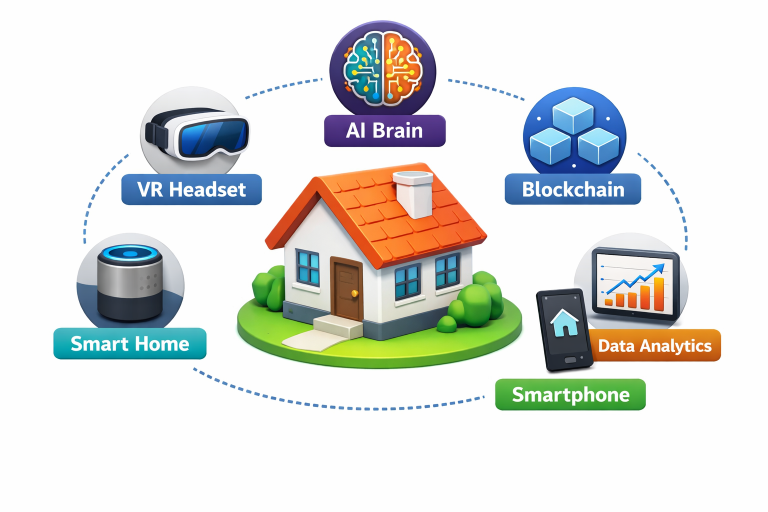
- Virtual and augmented reality enable immersive property tours from anywhere.
- Artificial intelligence offers personalized property recommendations and market insights.
- Blockchain technology ensures secure and transparent transactions.
- Smart home devices enhance property appeal and functionality.
- Online platforms and mobile apps streamline the home search process.
- Data analytics empower informed decision-making.
In today’s rapidly evolving digital landscape, technology is revolutionizing the home-buying process, making it more efficient, transparent, and tailored to individual needs. From virtual tours to AI-driven recommendations, these advancements are transforming how buyers search for and purchase homes. For instance, San Mateo, CA real estate agents Sternsmith Group, a leading team of San Francisco Peninsula real estate agents, leverage these technologies to provide clients with exceptional guidance and outcomes. Specializing in Hillsborough, Burlingame, and San Mateo, the Sternsmith Group offers a high-level client experience focused on strategy, service, and results.
Virtual and Augmented Reality: Touring Homes from Anywhere
Virtual reality (VR) and augmented reality (AR) are transforming the home-buying experience by allowing prospective buyers to explore properties remotely. High-quality VR tours offer lifelike, interactive walkthroughs, enabling buyers to assess a home’s layout and ambiance without a physical visit. This technology is particularly beneficial for those relocating from distant locations, as it saves time and resources by narrowing down options before scheduling in-person viewings.
Beyond convenience, VR and AR technologies offer engaging opportunities for buyers to envision what it might feel like to live in a prospective home. Home buyers can use AR-enabled apps to see how their furniture might look in different rooms, experiment with custom paint colors, or digitally remove and add walls to visualize renovations. These innovations make the decision-making process not only easier but also more creative and tailored to an individual’s style and preferences. As these technologies become increasingly accessible, we can expect virtual and augmented reality to become an industry standard, helping buyers and agents alike make more confident decisions even before stepping into a property.
Artificial Intelligence: Personalized Recommendations and Market Insights
Artificial intelligence (AI) is reshaping real estate by analyzing vast datasets to offer personalized property recommendations and predictive market analyses. AI algorithms consider factors such as budget, preferred location, and desired amenities to suggest homes that align with a buyer’s preferences. Additionally, AI can forecast market trends, helping buyers make informed decisions about when and where to purchase.
AI-powered chatbots have also become increasingly common on real estate platforms, providing users with instant answers to questions, virtual assistance in scheduling tours, and even mortgage prequalification insights. With machine learning capabilities, these bots continuously improve, offering more accurate and timely information with each interaction. In addition, advanced AI now helps agents identify off-market properties or opportunities that might suit certain buyers, expanding the scope of what’s possible and bridging the gap between buyer wish-lists and what’s available on the market.
Blockchain: Secure and Transparent Transactions
Blockchain technology is enhancing the security and transparency of real estate transactions. By utilizing decentralized ledgers, blockchain ensures that all parties have access to the same information, reducing the risk of fraud and errors. Smart contracts, self-executing contracts with terms written directly into code, automate and expedite transactions, minimizing the need for intermediaries and associated costs.
With blockchain, every action, agreement, and payment in the transaction can be securely stored and timestamped, creating a verifiable history. This is especially important as real estate deals often cross geographical and regulatory boundaries, making trust and clarity critical. In the future, blockchain could even be applied to fractional ownership, allowing buyers to invest in fractional shares of properties or to streamline property title transfers, creating faster closings and less administrative burden for all parties involved.
Smart Homes and IoT: Enhancing Property Appeal
The integration of smart home devices and the Internet of Things (IoT) is increasing the attractiveness of properties. Features such as automated lighting, energy-efficient climate control, and advanced security systems offer convenience and can lead to cost savings. As smart home technology becomes more prevalent, buyers are increasingly considering these features as essential components of their future homes.
Moreover, smart homes can be integrated with mobile devices, allowing homeowners to control and monitor their properties even when they’re away. From remotely unlocking the door to checking energy usage or receiving real-time security alerts, the latest advancements in IoT bolster peace of mind. For sellers, showcasing a smart home’s capabilities can be a strong differentiator that attracts tech-savvy buyers, particularly in competitive markets. As new smart devices emerge, they continue to raise the standard for what buyers expect from a modern home.
Online Platforms and Mobile Apps: Streamlining the Search Process
Online real estate platforms and mobile applications have simplified the home search process by providing comprehensive listings, high-resolution photos, and detailed property information. These tools allow buyers to filter searches by specific criteria, schedule viewings, and even submit offers, all from their devices. This accessibility has made the initial stages of home buying more efficient and user-friendly.
Through mobile apps, buyers can now receive real-time updates on newly listed properties that meet their preferences, ensuring they never miss an opportunity in a fast-moving market. Enhanced communication tools facilitate instant chat with agents, virtual document signing, and even remote collaboration among family members in the decision process. Some platforms integrate mortgage calculators, market forecasts, and neighborhood insights, making the journey from search to purchase smoother and more transparent than ever before.
Data Analytics: Informed Decision-Making
Data analytics play a crucial role in empowering buyers with information about market conditions, neighborhood demographics, and property valuations. By analyzing historical data and current trends, buyers can make informed decisions regarding pricing and investment potential. This analytical approach reduces uncertainty and enhances confidence in the home-buying process.
Buyers and investors can now access tools that visualize trends such as price fluctuations, average days on market, and even predictive assessments of future values. Local crime rates, school ratings, and proximity to amenities are factored into complex algorithms, giving buyers a 360-degree view of potential investments. As real estate data sources continue to grow in number and sophistication, even first-time buyers can approach the market with insights once available only to experts or insiders.
Final Thoughts
Technology is undeniably reshaping the future of home buying, offering tools and resources that make the process more efficient, transparent, and personalized. As these advancements continue to evolve, buyers can expect an increasingly streamlined and informed experience when searching for their ideal home.
The convergence of digital innovations is not only making home buying more convenient but also more secure and transparent. Whether working with a forward-thinking real estate agency or using the latest platforms and mobile apps independently, today’s homebuyers are empowered in ways never before imagined. As technology continues to evolve, we can look forward to even more sophisticated tools that build trust, foster confidence, and ultimately help buyers find the perfect place to call home.
READ ALSO: How to Find Your Perfect Home: Tips for Modern Homebuyers