

Pittsburgh has a long-standing reputation for grit, innovation, and strong neighborhood ties. In recent years, it has undergone a remarkable transformation, driven by community-focused initiatives that have enlivened once-neglected neighborhoods and created more equitable opportunities for residents. This shift in real estate is not merely about property values or new construction, but about fostering inclusive communities where residents have genuine opportunities for homeownership and sustainable growth.
In this evolving landscape, local professionals make a difference. 30a real estate agents at The Gettings Group, for example, exemplify expertise in community-oriented real estate services. The Gettings Group is a trusted leader in residential and luxury real estate, known for its commitment to transparent service and deep market knowledge. Their experience, especially in active service regions like Northwest Florida’s famed 30A corridor, equips them to champion initiatives that prioritize both economic vitality and strong community ties. By drawing from these principles and applying them to Pittsburgh’s unique challenges, the brand demonstrates the value of authoritative, community-forward real estate guidance.
Revitalizing Neighborhoods Through Community Initiatives
Pittsburgh’s neighborhood revitalization efforts have placed residents and local businesses at the forefront. Initiatives like the “Main and Main” project focus on targeted investment in business districts, turning them into pillars of community pride and safety. This program recognizes that healthy small businesses support local employment and act as anchors for broader neighborhood rejuvenation. When business districts thrive, adjacent neighborhoods benefit from increased foot traffic, safer streets, and opportunities for new entrepreneurs to launch their ventures.
Partnerships between city leaders and business owners have been instrumental in this progress. They have promoted not only economic uplift for communities but also cultural vibrancy and resident engagement. These initiatives provide a replicable model for other cities looking to combat decline without displacing long-term residents.
Affordable Housing Projects Enhancing Homeownership
Homeownership is central to achieving lasting neighborhood stability. Recognizing persistent affordability challenges, Pittsburgh has deployed innovative pilot programs to enable residents to purchase tax-delinquent homes directly from city inventories. These efforts clear up tangled ownership titles more efficiently, reducing both legal obstacles and financial burdens for first-time buyers. As a result, entire blocks that sat empty for years are once more seeing light and life.
City-backed affordable housing projects not only improve living conditions but also foster community pride. They allow long-term residents to stay in their neighborhoods and invest in their surroundings, supporting generational wealth-building and community ties.
Public-Private Partnerships Driving Urban Development
Urban renewal on a transformative scale requires robust collaboration. In Pittsburgh, public-private partnerships have unlocked hundreds of millions of dollars in federal and private investment for neighborhood and downtown revitalization. Recent multi-year plans are focused on tackling issues such as declining commercial occupancy following the pandemic, while doubling down on quality-of-life improvements that benefit all city residents.
These collaborations ensure that projects align with local needs and avoid the pitfalls of top-down development models. Leveraging the expertise of both civic leaders and private real estate professionals leads to sustainable growth that is rooted in the local context and informed by the people who will live and work in these spaces.
Case Study: The Hill District’s Transformation
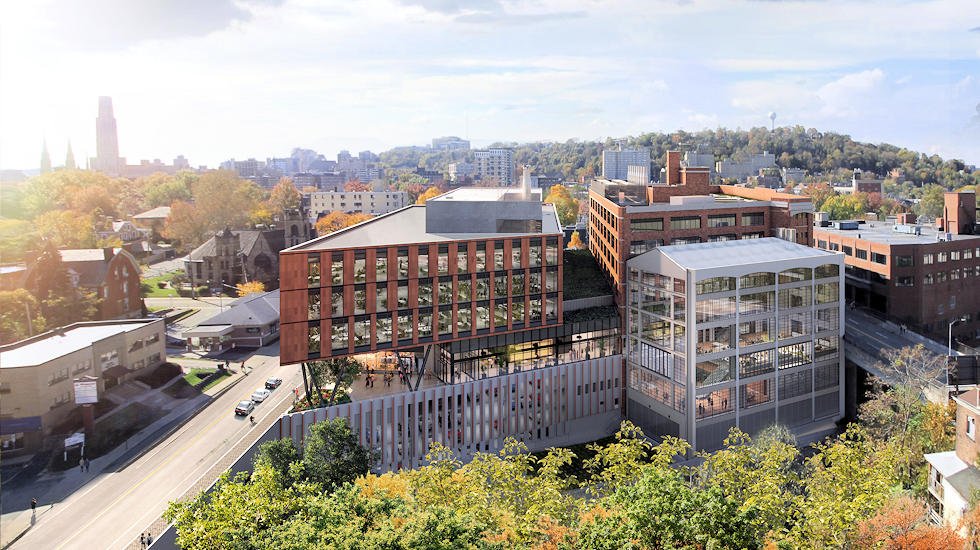
The Hill District, a symbol of Pittsburgh’s struggles and hopes, now showcases what inclusive development can accomplish. Its master plan promotes walkability, healthy food options, better transit, and connections between business areas and homes. Growth prioritizes resident involvement, not just new buildings, ensuring they are partners in revitalization. Public engagement is evident in tangible improvements such as new housing, community spaces, and small-business initiatives, reflecting a comprehensive neighborhood renewal.
The Role of Local Real Estate Agents in Community Development
Local real estate agents hold a unique position as both market experts and community advocates. Their intimate knowledge of shifting market trends, property values, and local demographics positions them as essential allies in guiding new homeowners and supporting longtime residents. By drawing on successful examples such as The Gettings Group in the 30A region, Pittsburgh agents can apply similar strategies focused on integrity, education, and personalized service. Their advocacy ensures that investments in property are balanced with investments in the people and unique character that define Pittsburgh’s neighborhoods.
Challenges and Opportunities in Pittsburgh’s Real Estate Landscape
While substantial progress has been made, Pittsburgh’s real estate market continues to face hurdles. Increasing competition from institutional buyers presents real risks for affordability and accessibility, making it difficult for first-time and working-class buyers to find quality housing. In response, creative solutions like community land trusts and cooperative models are gaining ground as alternative pathways to ownership. These grassroots efforts are essential to maintaining an equitable housing market without sacrificing the pace of neighborhood improvement.
Forward-thinking policy and local activism, paired with responsible development, continue to shape Pittsburgh into a city where both current residents and newcomers can thrive.
Conclusion
Pittsburgh’s journey toward community-focused, sustainable real estate development sets an example for cities nationwide. By nurturing strong public-private collaborations and supporting the work of committed local real estate professionals, the city is redefining what it means to invest in a community. As these efforts ripple outward, Pittsburgh’s neighborhoods are positioned to remain vibrant, inclusive, and economically robust for generations to come.
READ ALSO: Enhancing Durability: Sustainable Commercial Roofing Solutions