

Keeping your home’s roof in top shape is crucial for both protection and curb appeal. As roofing methods and technologies continue to advance, homeowners across regions can explore new ways to extend the life of their roofs and reduce energy bills. Whether upgrading for aesthetics or sustainability, understanding these options can help you make well-informed decisions. If you are considering a project in your area, you may want to explore residential roofing for detailed service options and local expertise.
Roofing upgrades are no longer just about patching leaks or replacing worn materials. Today, homeowners balance durability, energy use, and appearance when deciding how best to protect their biggest investment. With a wider array of materials and smart technologies, your roof can do more than ever before to maintain indoor comfort and boost property value.
Modern residential roofing is also transforming community living, as larger properties, such as condominiums and apartment complexes, are turning to advanced weather-resistant, energy-saving materials. Property managers and developers can benefit from consulting with professional services, such as multi-family roofing, to discover options tailored to multi-unit dwellings.
Even if you are not ready to replace your roof, staying up to date with these trending solutions helps you plan future improvements that add both function and value to your home. Innovations such as solar integration, reflective surfaces, and automated monitoring are reshaping how homeowners protect their properties for the long term.
Architectural Shingles: A Blend of Strength and Style
Among the most popular new roofing options is the architectural shingle. Sometimes called dimensional shingles, these are thicker, multi-layered, and more durable than standard 3-tab varieties. Architectural shingles bring a dimensional look to your roof, improving your home’s curb appeal and adding texture. They are also engineered to resist high winds and severe weather, making them a solid choice for regions prone to storms.
Metal Roofing: Durable and Energy-Efficient
Metal roofing has seen a major resurgence, driven by today’s focus on energy efficiency and sustainability. A properly installed metal roof can last between 40 and 70 years with minimal maintenance. Its reflective properties reduce heat absorption, helping homeowners save 10%-25% on cooling costs during the warmer months. In addition to being fire-resistant, metal roofs are impervious to rot, mildew, and pests, making them particularly well-suited for areas with varied climates and weather hazards.
Cool Roofs: Keeping Homes Comfortable
Cool roofs use specially designed materials, such as light-colored coatings and highly reflective surfaces, to absorb less solar heat. By reflecting more sunlight, these roofs help keep your home cooler, significantly reducing your reliance on air conditioning in the summer. In hotter regions, cool roofs can substantially lower utility bills, enhance comfort, and help communities combat urban heat island effects. According to the U.S. Department of Energy, they can also extend the roof’s lifespan.
Solar Shingles: Integrating Renewable Energy
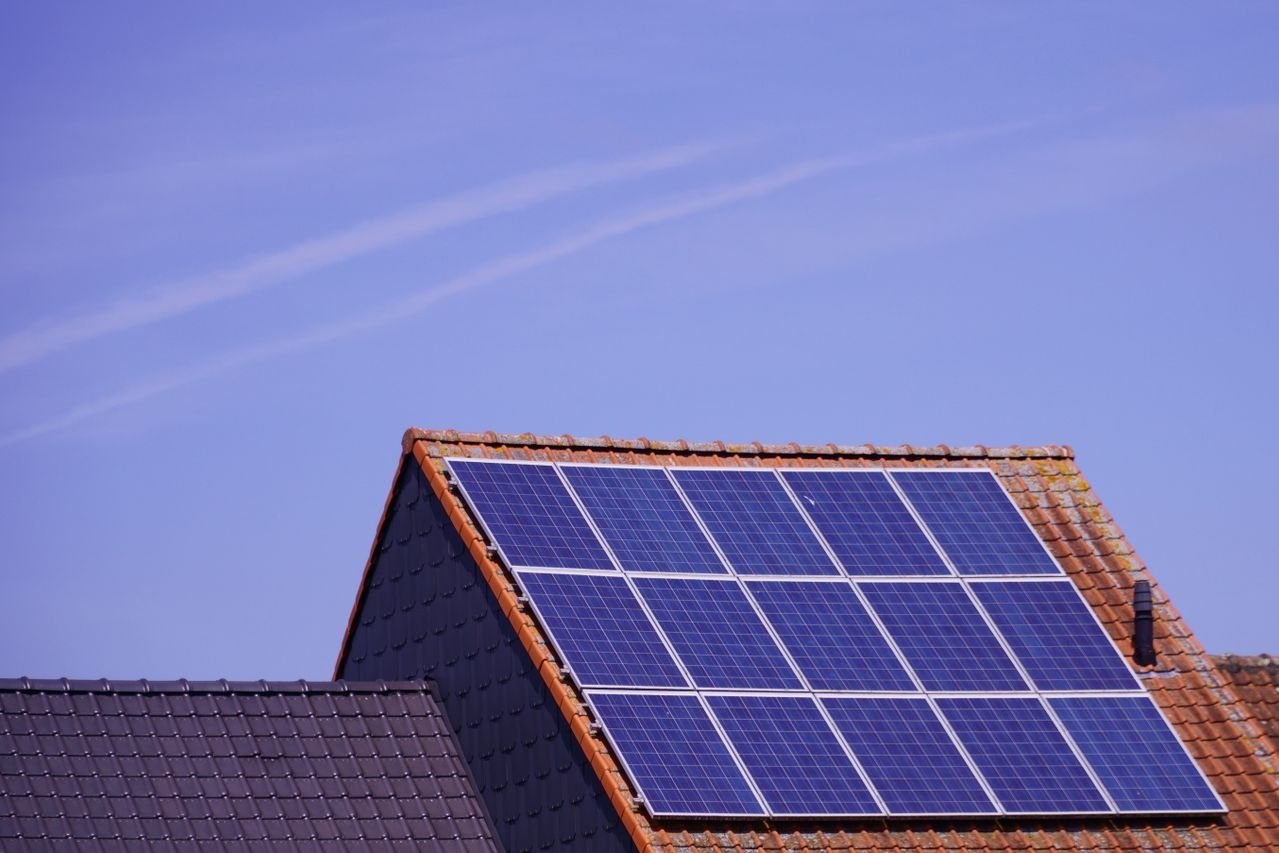
Solar shingles combine the benefits of renewable energy generation with a streamlined appearance that blends seamlessly into traditional roofing styles. These innovative roofing elements function just like solar panels by converting sunlight into electricity, but they are sized and installed to mimic the look of standard shingles. This approach appeals to homeowners who wish to lower their carbon footprint and utility bills without compromising the visual harmony of their property. As solar adoption grows, expect solar shingle technology to become even more robust and accessible.
Smart Roofing Technologies: Proactive Maintenance
Today’s roofs can be equipped with smart devices such as sensors that monitor internal temperatures, detect leaks, and assess overall roof health. By sending real-time data to homeowners or contractors, these systems allow for early intervention, often before visible damage occurs. Proactive roof management reduces emergency repairs and can significantly extend the roof’s lifespan. Additionally, integrations with home automation systems make it easier for homeowners to monitor their roof’s integrity, providing greater peace of mind.
Choosing the Right Roofing Solution
Determining which roofing system fits your needs involves assessing local weather patterns, property design, long-term energy use, and budget. It is wise to consult a professional roofing contractor who is familiar with the latest materials and techniques to ensure your investment protects your home both now and in the future.
Conclusion
As roofing innovation accelerates, homeowners have greater flexibility and power to select products that combine durability, sustainability, and visual impact. Staying informed helps you choose systems and materials that keep your home comfortable, safe, and attractive for years to come. By considering advancements in shingles, metal roofing, cool roofs, solar options, and smart technologies, you enable your property to benefit from the latest in modern protection and technology.
READ ALSO: Enhancing Durability: Sustainable Commercial Roofing Solutions