





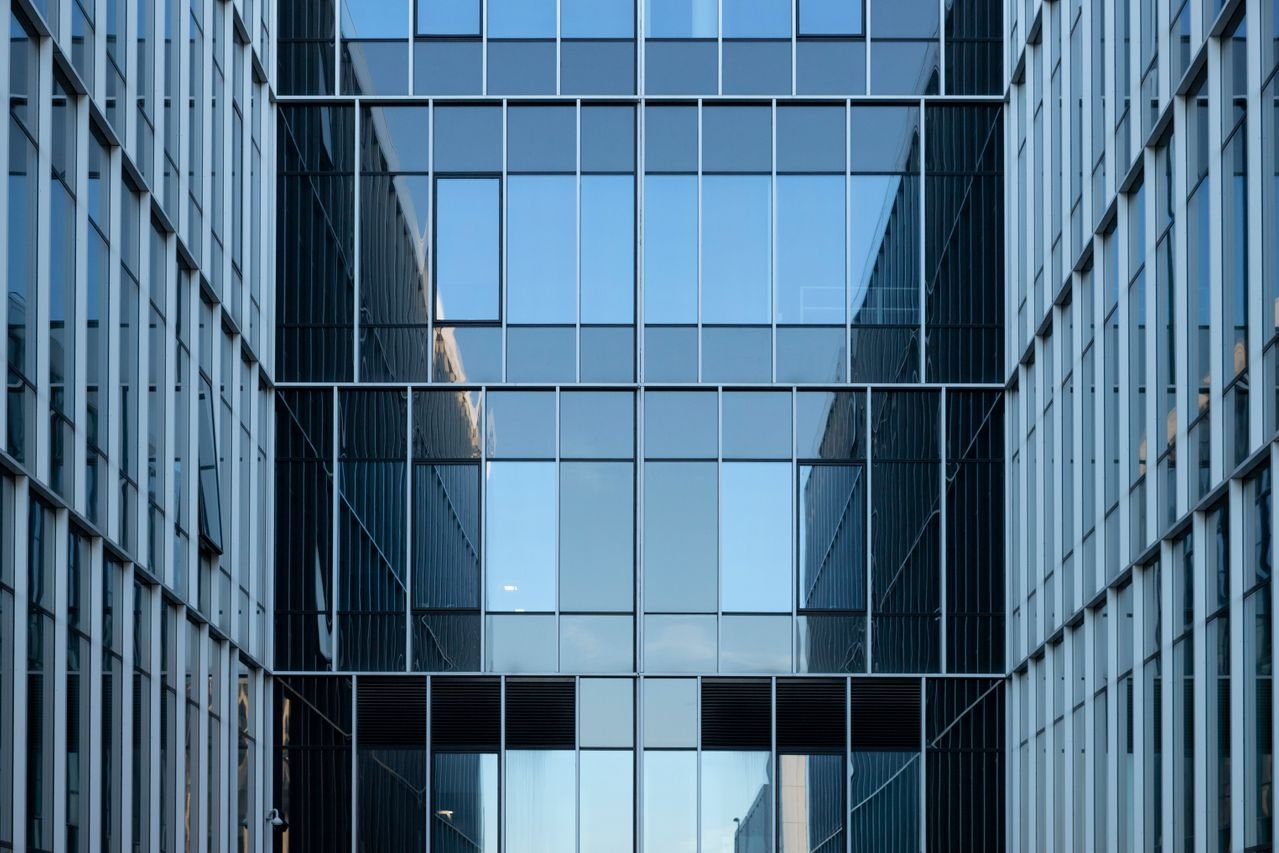
Office makeovers frequently prioritize visible interior design finishes such as flooring, updated lighting, and modular desks. Yet focusing solely on cosmetic interior updates often overlooks the building envelope and key structural fixtures that dictate long-term workplace comfort. To truly modernize an aging corporate space, integrating a comprehensive commercial glass replacement into the scope of work is often an essential step.
Addressing Hidden Envelope Deterioration
Commercial properties endure years of exposure to fluctuating temperatures, high winds, and moisture before a remodel ever begins. Over a decade or two, sealants break down, gaskets shrink, and moisture starts penetrating perimeter glass systems. These issues often manifest as foggy double panes, subtle water stains on sills, or persistent drafts near exterior desks. Simply caulking over cracked exterior joints during a fresh paint job only traps moisture within framing systems, setting up future structural headaches.
Removing old panes allows project managers and contractors to inspect underlying framing channels, weep holes, and anchors that are otherwise hidden. Upgrading these assemblies ensures that new walls, ceiling tiles, and expensive equipment remain safe from water intrusion for years to come. When the physical barrier is fully refreshed, building management avoids the disruptive, piecemeal fixes that inevitably follow half-hearted surface renovations.
Enhancing Acoustic Privacy and Workplace Focus
Modern open-plan offices demand smart acoustic design, particularly around meeting spaces, private phone pods, and executive suites. Older single-pane interior dividers and thin exterior lites do very little to buffer noise, leaving sensitive phone calls audible down the hall and street traffic distracting teams during focused tasks. Acoustic comfort directly shapes how practical and functional a newly configured office truly feels for day-to-day work.
A scheduled commercial window replacement makes a noticeable difference in interior decibel levels. Laminated acoustic glass sandwiches a specialized interlayer between glass sheets, deadening external vehicle noise, sirens, and nearby construction hums. Interior conference rooms benefit just as heavily from thicker, laminated glazed walls that retain daylight while containing confidential client conversations. Rather than building solid, light-blocking drywall partitions, modern safety glass keeps interior footprints bright and connected while handling noise effectively.
Modernizing High-Traffic Access Points
First impressions start at the entrance, and entryways absorb continuous mechanical stress throughout the business week. Heavy foot traffic, delivery carts, and sudden gusts of wind wear out hardware pivots, frame alignments, and the glass itself. Outdated entrance glass also tends to fall short of modern safety mandates, which require tempered or impact-rated materials in designated impact zones around footpaths.
Scheduling commercial door glass replacement during an entryway overhaul allows facilities to resolve both compliance issues and aesthetic wear at once. Contemporary safety door glass withstands sudden impacts, prevents dangerous shattering, and incorporates low-iron clarity that makes commercial reception lobbies feel wide open and welcoming. Upgrading the glazing concurrently with door closers and push hardware ensures balanced weight distribution, eliminating sticking doors and drafts that strain climate control systems right at the front desk.
Lowering Operating Overhead Through Energy Performance
Heating and cooling account for a sizable chunk of monthly commercial utility bills, especially in older commercial structures with vast expanses of untreated plate glass. Solar heat gain forces cooling systems to run constantly in warm weather, creating uncomfortable hot spots near exterior-facing cubicles. Conversely, cold perimeter drafts during cooler months push staff to bring in inefficient personal space heaters.
Upgraded insulated units combine low-emissivity coatings with inert gas fills to form a high-performance thermal boundary. These coatings reflect interior radiant heat back inside during winter and bounce solar heat away during the summer without darkening natural daylighting. The resulting drop in heating and cooling demands eases strain on rooftop HVAC units, reducing future maintenance calls and stabilizing utility costs over the building’s operational lifecycle.
Finding Experienced Guidance for Commercial Projects
Properly executing a full-scale glazing retrofit requires clear coordination with framing specialists, general contractors, and local building inspectors. For facility teams outlining a major renovation, locating a reliable team for commercial glass replacement near me is often the best way to secure regional code compliance and precise structural measurements. Local contractors understand specific municipal wind-load criteria, regional thermal requirements, and the distinct physical quirks common to commercial construction in the area.
Thoroughly reviewing your existing fenestration before finalizing construction budgets keeps surprises from derailing your renovation timeline. Addressing glass performance, physical safety, and thermal efficiency together ensures the finished office space functions just as well as it looks. For building managers and business owners seeking an experienced partner for their next building overhaul, North Alabama Glass is an established option capable of evaluating current installations and handling commercial architectural glazing projects from start to finish.