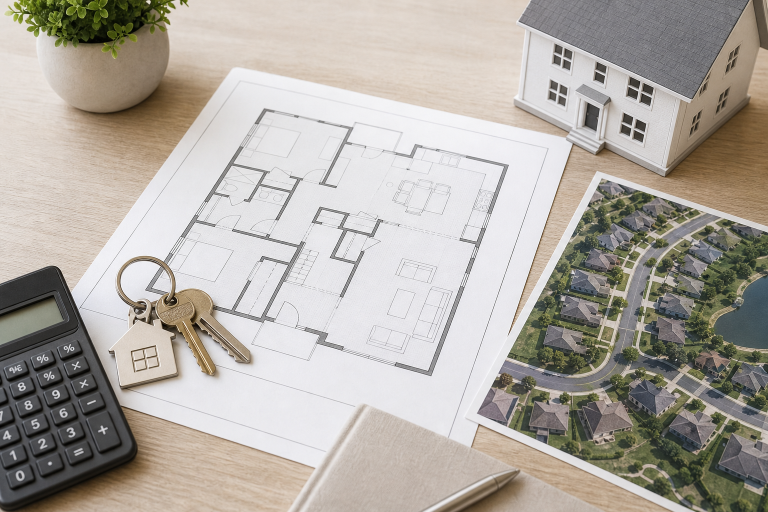



Buying a home in Nashville is about more than finding the right kitchen, bedroom count, or backyard. The neighborhood will shape daily travel, household costs, access to services, and the property’s ability to support your plans over time. For buyers weighing Forest Hills, Green Hills, Belle Meade, West Meade, Brentwood, Franklin, or other Middle Tennessee communities, a Forest Hills real estate expert, Beth Molteni, provides local residential guidance through Beth Molteni’s Nashville real estate website, which includes home search tools, buyer and seller resources, and neighborhood information for buyers navigating the Nashville-area market. Rather than choosing solely on curb appeal or a listing’s asking price, compare communities through the lens of your real routine. A home that feels ideal during a weekend showing may be less practical if the commute, traffic pattern, maintenance demands, or nearby development do not fit your lifestyle.
Why Neighborhood Choice Matters
Two homes with similar prices can create very different lives. An in-town property may offer a shorter drive to work, restaurants, and appointments, while a home farther from central Nashville may provide more interior space, a larger lot, or newer construction. Forest Hills and Belle Meade may appeal to buyers seeking established residential settings, while newer-growth areas can offer a different mix of housing styles and amenities. The best choice depends on your budget, daily schedule, and long-term needs.
Define Your Priorities Before Searching
Start with a written list of must-haves and nice-to-haves. This prevents attractive staging, paint colors, or updated fixtures from distracting you from practical requirements.
- Set a purchase budget and a comfortable monthly payment range.
- Identify required bedrooms, bathrooms, parking, storage, and work-from-home space.
- Decide the maximum commute you can accept on a normal weekday.
- List needs involving children, pets, accessibility, or nearby family support.
- Separate permanent concerns, such as lot layout or location, from features that can be changed later.
For example, a buyer who works downtown may prioritize a reliable route and a shorter drive. A growing household may be better served by additional storage, outdoor space, and room to adapt.
Compare Daily Travel and Commute Times
Online maps provide a useful starting point, but they do not replace testing the routes you will actually use. Drive from the neighborhood to work during morning traffic, then repeat the trip during the evening return. Also check travel to grocery stores, schools, child care, medical offices, regular activities, the airport, and major road connections. Consider more than mileage. Parking availability, construction, road design, school drop-off traffic, and the number of turns required can affect how manageable a route feels. Over time, a longer trip can also add fuel, maintenance, and time costs.
Review the Full Cost of Ownership
The asking price is only one part of affordability. Compare the expected monthly and annual costs for each property, including:
- Mortgage principal and interest
- Property taxes and homeowners’ insurance
- Flood insurance, if appropriate for the property
- Homeowners association or condominium fees
- Utilities, landscaping, maintenance, and expected repairs
- Renovation needs, parking, and commuting expenses
An older home closer to Nashville may reduce driving time, but it needs a larger repair reserve. A newer home farther out may require less immediate maintenance, but may increase transportation costs. Compare the whole picture rather than one line item.
Check Schools, Services, and Outdoor Access
Information can vary from one street to the next, so verify details for the exact property address. Confirm school assignment directly with the appropriate district. Review proximity to child care, grocery stores, pharmacies, medical care, libraries, parks, trails, sidewalks, and community facilities. In less dense locations, it is also wise to check available internet providers and mobile service before committing.
Study Zoning and Future Development
Vacant land, road work, rezoning requests, and commercial projects may affect traffic, privacy, noise, and the character of an area. Before making an offer, review the property’s current zoning, nearby parcels, overlays, and active proposals. The Metro Nashville Planning Department provides access to planning information, property maps, development tracking, and zoning-related resources that can help buyers ask informed questions.
Long-range planning also matters. A future change may be positive, neutral, or undesirable for your goals, but it is better to understand the possibility before you buy rather than discover it after closing.
Visit Neighborhoods More Than Once
A quiet weekend showing rarely tells the entire story. Visit each finalist neighborhood on a weekday morning, during the evening commute, on a weekend afternoon, and after dark when appropriate and safe. Walk or drive around nearby stores, parks, and main roads. Listen for traffic, trains, aircraft, commercial activity, construction, and evening parking conditions.
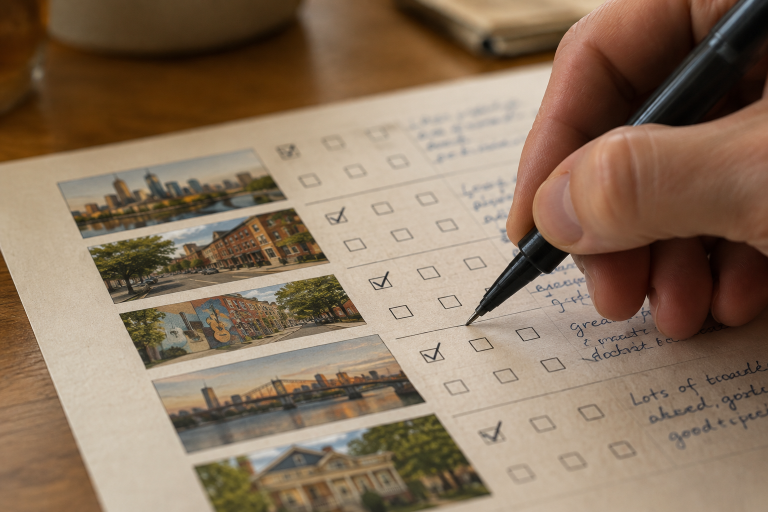
Build a Neighborhood Scorecard
Use the same one-to-five rating system for every neighborhood you are considering. Your categories might include:
- Budget fit: Total housing, maintenance, insurance, and transportation costs.
- Commute: Travel time, route reliability, and road access.
- Daily convenience: Access to groceries, health care, schools, and regular destinations.
- Housing options: Home styles, lot sizes, construction age, and available inventory.
- Property risk: Drainage, site conditions, insurance considerations, and maintenance needs.
- Future fit: Whether the home and neighborhood can support changing needs.
Write short notes beside each score. The goal is not to find a perfect neighborhood, but to identify the place with the best overall trade-offs for your household.
Common Questions From Nashville-Area Buyers
How many neighborhoods should I compare?
A shortlist of three to five areas is usually manageable. It gives you meaningful options while allowing enough time to revisit homes and research each location carefully.
Is a popular neighborhood always the best choice?
Not necessarily. Popularity may reflect strong demand and convenient amenities, but it can also mean higher prices, limited inventory, smaller lots, or more traffic. Your priorities should guide the decision.
What should I verify before making an offer?
- School assignment and transportation options
- Zoning, overlays, and nearby development activity
- Flood, drainage, insurance, and site considerations
- Association rules, fees, and property restrictions
- Property condition, repair history, and inspection findings
Final Thoughts
The right Nashville neighborhood is not automatically the trendiest location or the largest home within budget. It is the place that supports your everyday routine, fits the full cost of ownership, and remains practical as your household’s needs change. Consider how each area affects your commute, access to schools and services, recreation, privacy, and overall comfort. Look beyond the listing price by accounting for taxes, insurance, utilities, maintenance, and potential repairs. Visiting neighborhoods at different times can also help you understand traffic, noise, and activity that may not be obvious during a showing. By comparing several areas with consistent priorities and realistic expectations, you can make a decision that feels clearer and better suited to your long-term plans.
READ ALSO: How Manufacturers Can Build a Cleaner Plastic Recycling Stream