



Key Takeaways
- Missing shingles, interior stains, sagging, and damaged flashing deserve timely attention.
- A localized problem may be repairable, while widespread deterioration may justify replacement.
- Written estimates should make materials, labor, permits, cleanup, warranties, and payment terms easy to compare.
- Homeowners should prepare the property before work begins and inspect the completed project before final payment.
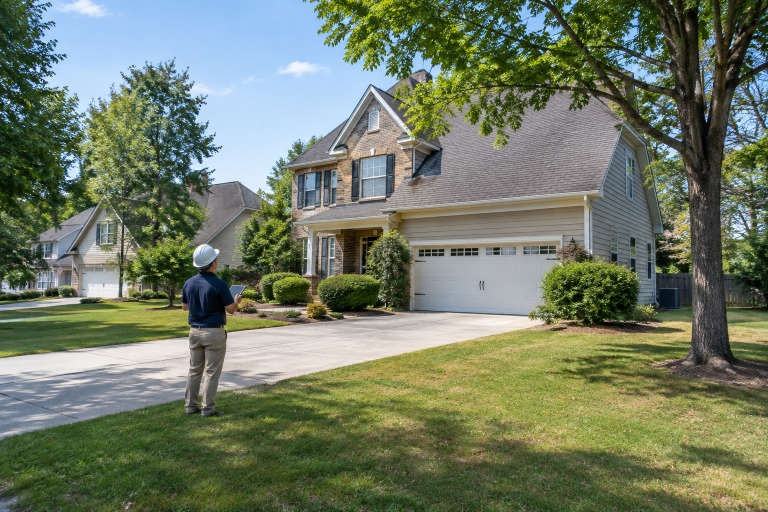
For Fort Mill homeowners, roof decisions often follow a leaking ceiling, visible shingle damage, or a close look at the roof after heavy rain and wind. The best approach is not to rush straight to a contract. Start by documenting the concern, understanding the roof’s condition, and comparing the practical options. A planned roof replacement is a major home project, but clear questions and careful preparation can make it far more manageable. From inspections and permits to cleanup and final paperwork, each step should protect both the home and the homeowner.
Warning Signs That Deserve Attention
Water stains on ceilings or upper walls, curling or cracked shingles, bare-looking areas with lost granules, soft roof sections, and loose flashing can all signal a roofing issue. Check around chimneys, vents, skylights, valleys, and roof edges, since these transitions need careful water management. Moss or algae alone does not necessarily mean a roof has failed, but it is worth noting when it appears alongside other signs of deterioration.
Repair or Replace? How to Compare the Choices
A targeted roof repair may be appropriate when damage is confined to a small area and the surrounding roofing, flashing, deck, and ventilation remain sound. A full replacement can be more sensible when leaks occur in several places, shingles are failing broadly, repeated repairs have accumulated, or moisture has affected the roof deck or attic. The decision should be based on documented conditions, not just the roof’s age. Ask for photographs and a written explanation that identifies the damaged areas, likely cause, recommended scope, and any conditions that may require additional work after existing materials are removed.
What a Useful Roof Inspection Should Cover
A meaningful inspection goes beyond viewing shingles from the driveway. It should consider the visible roof surface, flashing, valleys, penetrations, gutters, drainage paths, attic moisture signs, deck condition where visible, and ventilation. The goal is to identify whether water is entering from the roofing material itself, a transition detail, or another related component. Permit requirements also belong in the early conversation. Most jurisdictions consider roofing a common project that requires a building permit, so homeowners should ask who will obtain permits, schedule inspections, and provide the resulting records.
How to Compare Roofing Contractors and Written Estimates
When practical, obtain multiple written estimates that describe the same proposed work. Verify the contractor’s business identity, local contact details, insurance information, references, and responsibility for permits. Read reviews as one part of the picture, not as the only deciding factor. Confirm who will supervise the work, how changes will be approved, and how the crew will protect the property. A detailed estimate should identify the roofing area or measurements, tear-off and disposal, underlayment, flashing, ventilation work, edge materials, deck repair pricing, gutter handling, cleanup, estimated timing, payment schedule, and warranty terms. Compare the scope line by line. A lower price may reflect omitted materials or services rather than a better value. Be cautious of high-pressure pitches, cash-only demands, large upfront payments, or requests to sign incomplete paperwork. The warning signs of a home improvement scam include pressure to decide immediately and offers that lack a clear written contract. Keep copies of every estimate, text, invoice, photograph, and approved change order.
Choosing Materials and Preparing the Home
Material selection should reflect the roof’s slope, valleys, dormers, framing, appearance goals, maintenance needs, and exposure to sun, rain, wind, and occasional severe weather. Ask whether the selected material and installation details are compatible with the roof design. Review warranty exclusions and required installation practices before signing. Before installation day, move vehicles away from the work area, secure outdoor furniture and decorations, protect fragile attic items, and identify gates, sprinklers, outlets, and delicate landscaping. Keep pets indoors or arrange care elsewhere, and make sure children understand that the work zone is off-limits. Dated photos of siding, gutters, driveway areas, and landscaping create a useful before-work record.
What to Expect During Installation
Most replacement projects follow a similar order: materials arrive, nearby areas are protected, old roofing is removed, and the deck is checked. Any approved deck repairs should happen before underlayment, flashing, vents, edge materials, and the main roofing material are installed. Final work typically includes ridge, valley, wall, and penetration details, followed by debris removal and a ground-level nail check. The weather can change the schedule. A delay may be appropriate when rain or strong winds would make work unsafe or leave materials vulnerable. Maintain a clear point of contact so questions about weather, hidden damage, or schedule adjustments receive prompt written answers.
The Final Walk-Through Checklist
- Walk around the property and check for visible damage or leftover debris.
- Review gutters, downspouts, flashing, vents, skylights, chimneys, and wall intersections.
- Confirm the yard, driveway, roof edges, and landscaping have been cleaned.
- Ask whether required inspections have been completed and obtain related records.
- Collect permits, invoices, warranty documents, and written confirmation of any corrections.
- Photograph the completed roof from the ground and accessible attic areas.
- Address unfinished items in writing before releasing final payment.
Common Homeowner Questions
How long does roof replacement take?
Timing depends on roof size, complexity, material type, crew size, weather, access, and whether concealed deck damage is discovered. A simple roof may move more quickly than a roof with multiple slopes, valleys, skylights, or repair needs.
Should homeowners stay home during work?
That is a personal choice, but someone should be reachable. Confirm arrival times, property access, parking needs, and the preferred method of communication during the project.
Can new roofing go over existing shingles?
That depends on local requirements, the number and condition of existing layers, the roof structure, and material installation instructions. Ask for the reasoning behind an overlay or tear-off before approving either approach.
What is the difference between material and artistry warranties?
A material warranty generally concerns defects in the roofing product. An artistry warranty generally concerns installation-related issues. Request both in writing and read the coverage period, exclusions, claim process, and maintenance requirements.
Conclusion
A successful roof project in Fort Mill begins well before installation day. Careful inspection, comparable written estimates, permit planning, thoughtful preparation, and a detailed final review can help homeowners make informed decisions and maintain clear records for the future. It is also important to consider the roof’s age, existing damage, ventilation, drainage, flashing, underlayment, and the condition of nearby structures before work begins. Homeowners should ask questions about materials, installation methods, warranties, cleanup, and how unexpected conditions will be handled during the project. Keeping copies of contracts, invoices, inspection reports, and maintenance information can also make future repairs easier to manage. For more information on roof replacement options in the area, visit roof replacement resources.
READ ALSO: Are Your Windows Safe from Break-Ins? Find Out Here